Sacraments & Life Events
“We define a Sacrament as “outward and visible signs of inward and spiritual grace, given by Christ as sure and certain means by which we receive that grace” (BCP 857).”
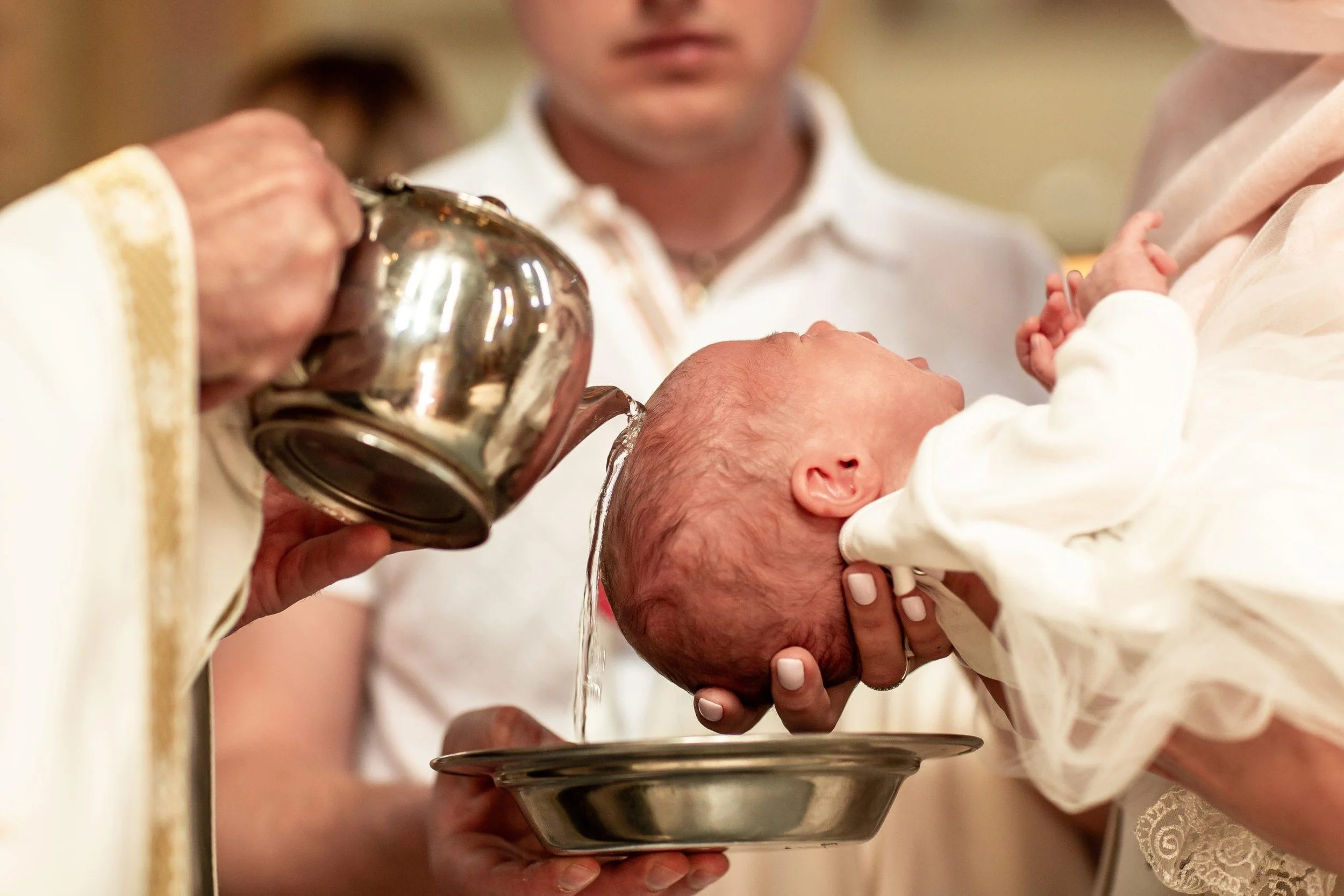
Many families return to church after a child is born, hoping that the child can be baptized. The Book of Common Prayer calls baptism “full initiation by water and the Holy Spirit into Christ’s Body, the Church” (298). Baptism is not simply a rite of passage – it is a commitment to Christ in which we make promises of faith, or our parents and godparents make them for us. In the Episcopal Church, we baptize infants as well as adults because we see baptism as a rite of new spiritual birth in which we are welcomed into the family of Christ. Living into our baptism is a lifelong process no matter how old we are when we are baptized. When a child is baptized, the parents and godparents make the commitments on the child’s behalf, promising to raise the child in the Christian faith so he or she can grow into the baptismal promises. The Episcopal Church recognizes all baptisms.
If you would like to have your child baptized at Nativity, please take a few months to “try us out” to see if you’d like Nativity to be your spiritual home. Then, please contact the office to talk and to arrange a time to plan for the service. The sacrament of baptism fits best into the holy days of Easter, Pentecost, All Saints Day (the Sunday after November 1), and the Baptism of Jesus (the Sunday after January 6), but other days can be arranged. We do not celebrate baptisms during the season of Lent.
If you are interested in a baptism at Nativity, please email Father Scot or call us at 480-307-9216. Please fill out the Baptismal Form below so we have the information we need for our records. If you choose to be baptized at Nativity, one of our priests will meet with you. If you are an adult seeking baptism, please be in touch with the office and we will plan for a time of formation.
BAPTISM
COMMUNION
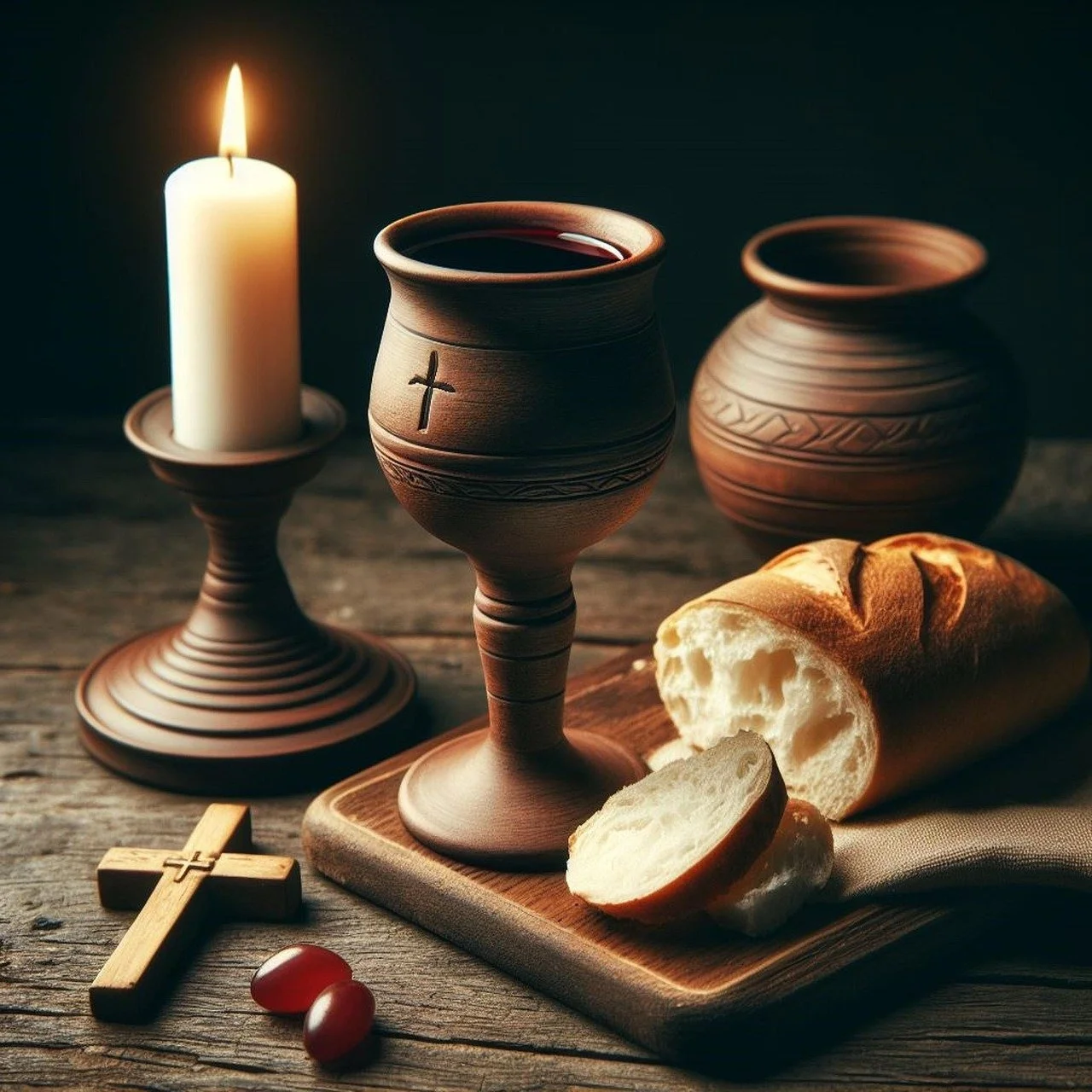
Everyone, whether 10 months or 100 years old, is welcome to receive the Eucharist, both bread and wine! We offer education on the meaning of Communion to children in the regular course of our children’s education, and do not offer a formal “First Communion” experience, with the understanding that a child’s faith can be wiser than the most seasoned intellectual understanding of what happens at the altar. It had been the tradition of the church for only those who are baptized to receive communion; however, this understanding and practice have shifted over the last 10–20 years. If you are not baptized, we do encourage you to consider taking that step, but you are welcome to participate fully in the Eucharist as you feel called into closer relationship with God through Jesus Christ.
(Please note: we use the terms “Holy Communion,” “Holy Eucharist,” and “Mass” interchangeably.)
RECEPTION
Reception occurs if you have previously been confirmed in another denomination and now wish to become a member of The Episcopal Church.
CONFIRMATION
Confirmation is the laying on of hands by an Episcopal bishop in order to confirm, as an adult, the promises others made for you at your baptism, or to confirm your desire to be a member of The Episcopal Church.
Our “Introduction to the Episcopal Church” class is offered for anyone who wants to know more, and for adults who want to be confirmed (or, if already confirmed in another faith, received into the Episcopal Church). It meets over four sessions, usually in April or May, but may be offered at other times as well.
RECONCILIATION
In the Episcopal Church, the sacrament of Reconciliation (sometimes referred to as Confession) one-on-one with a priest is offered, but it is never mandatory: the forgiveness we are granted together on Sunday mornings in offering the prayer of Confession is sufficient. This is a corporate statement of what we have done and what we have left undone, followed by a pronouncement of absolution. In pronouncing absolution, the presider assures the congregation that God is always ready to forgive our sins.
Have mercy upon us, most merciful Father; in your compassion forgive us our sins, known and unknown, things done and left undone, evil done on our behalf and by our own hands; and so, uphold us by your Spirit that we may live and serve you in newness of life, to the honor and glory of your Name; through Jesus Christ our Lord. Amen.
If you are interested in Confirmation, Reception, or Reconciliation at Nativity, please fill out this form.
MARRIAGE
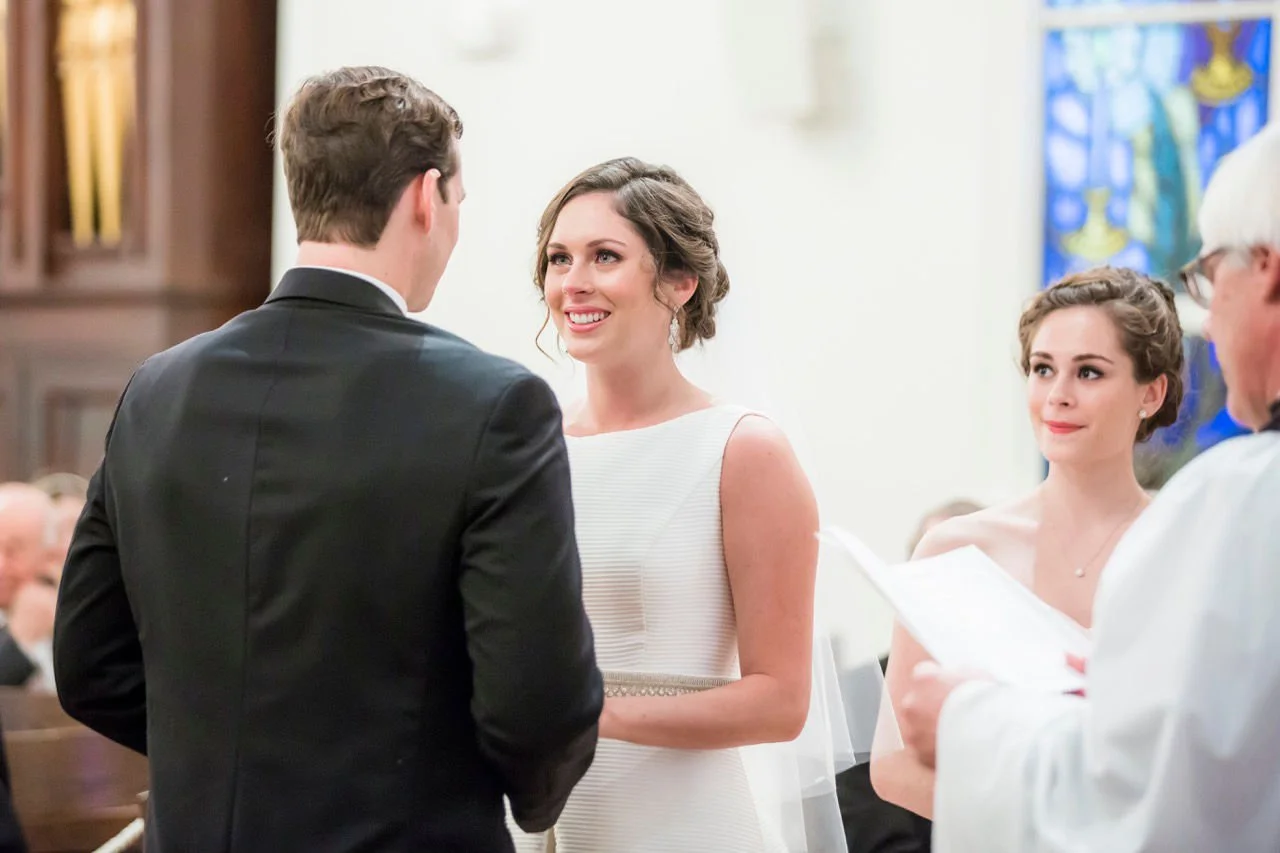
Congratulations! We at the Episcopal Church of the Nativity want your wedding to be perfect. We are here to assist you in planning and preparing for what will certainly be one of the most important days of your life. Just as important, we want to assist you in preparing for your life together as a married couple.
We hope the information and guidelines provided here will be helpful to you in getting a good overview of marriage preparation in the church. We want your wedding day to be a glorious one. We will take care of the setting and the rites. You bring your own deep earnestness, commitment, and love.
If you are interested in being married at Nativity, please initiate the process at least six months in advance. The Episcopal Diocese of Arizona and the clergy of The Episcopal Church of the Nativity support marriage equality. Any couple is welcome to seek to be married in the Episcopal Church. The only requirement is that the partners receive premarital counseling (with the rector or another clergyperson or therapist) and that one partner be baptized. Permission for remarriage after divorce must be granted by the Bishop, but it is not a barrier in itself to marriage in the Episcopal Church.
Please contact us to learn more about planning your wedding ceremony at Nativity. Email Mina Rafferty or call the church office on 480-307-9216.
ANOINTING
Anointing is the rite of blessing the sick with oil, or the laying on of hands, by which God’s grace is given for the healing of spirit, mind, and body. It is included in the colloquially named “Last Rites” often given to those who are dying.
Nativity is here to support you in a time of loss. We provide Christian funeral service for our members and for others. To arrange for a service, email: Mina.Rafferty@thenativity.net or call us at 480-307-9216. Services are generally conducted at Nativity, but on occasion we do officiate elsewhere. We do not currently have a columbarium, so we will come to your designated interment site to do the burial, which usually happens after the funeral service.
We encourage you to make plans for your own funeral service in advance. These plans include making a will, providing a Power of Attorney designating who will make end-of-life decisions for you, noting where all your important documents are, and of course, planning your own funeral service.
Planning is a great gift to your family, allowing them to take care of their own needs at a difficult time without the burden of many decisions and uncertainties. If you need assistance, please contact a member or our clergy who will be happy to work with you.
To help you make your plans, Nativity is happy to provide an advance-planning questionnaire, which you may download, print, and fill out. We encourage you to keep this questionnaire in a safe place at home where your family can find it, and we will also keep a copy on file at the church office, if you wish. The first part of the questionnaire has to do with general arrangements, and the second part deals with the funeral service itself.
Click Planning Questionnaire to download the questionnaire.
FUNERAL

We are here to support your journey of faith.
As shared on the National Episcopal Church website, our Anglican tradition recognizes sacraments as “outward and visible signs of inward and spiritual grace.” (The Book of Common Prayer, p. 857) Holy Baptism and the Eucharist (or Holy Communion) are the two great sacraments given by Christ to his Church.
In the case of Baptism, the outward and visible sign is water, in which the person is baptized in the Name of the Father, and of the Son, and of the Holy Spirit; the inward and spiritual grace is union with Christ in his death and resurrection, birth into God’s family the Church, forgiveness of sins, and new life in the Holy Spirit.
In the case of the Eucharist, the outward and visible sign is bread and wine, given and received according to Christ’s command. The inward and spiritual grace is the Body and Blood of Christ given to his people and received by faith.
In addition to these two, there are other spiritual markers in our journey of faith that can serve as means of grace. These include:
Confirmation: the adult affirmation of our baptismal vows
Reconciliation of a Penitent: private confession
Matrimony: Christian marriage
Orders: ordination to the diaconate, priesthood, or episcopacy
Unction: anointing those who are sick or dying with holy oil